The Future of Logistics: Embracing Innovation
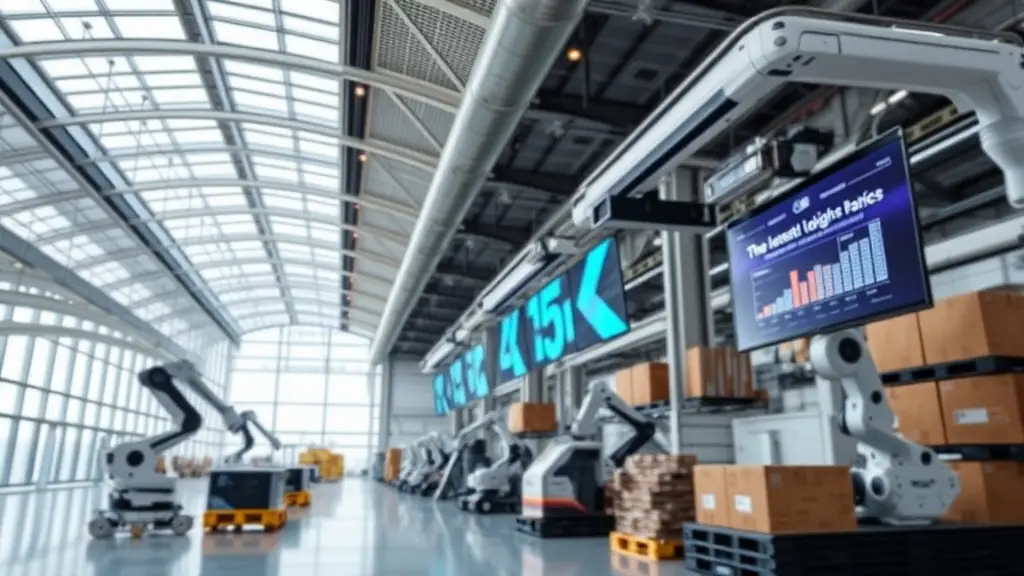
Over the past decade, the logistics sector focused heavily on isolated technological integrations to streamline operations, enhance efficiency, and improve accuracy in supply chain management. The industry is now moving beyond fragmented digitalization.
Today, the focus has shifted toward « smart orchestration »—a comprehensive approach that integrates individual technologies into a cohesive, circular supply network. Rather than relying on the hype of fully autonomous vehicles or isolated blockchain ledgers, modern supply chain management requires collaborative ecosystems.
The European market, and specifically the Belgian logistics hub, provides a concrete model for this transition. The sector is demonstrating how to turn theoretical digital frameworks into operational realities, establishing a new baseline for industry competitiveness. However, the high costs and complexities of implementing comprehensive orchestration mean that companies must carefully navigate these transitions without over-relying on temporary incentives.
What are the Key Takeaways?
- Shift to Orchestration: Logistics innovation is moving away from standalone digital tools toward integrated smart orchestration and circular supply chains.
- SME Integration: Collaborative testing environments allow smaller logistics players to access and implement advanced technologies without bearing the full R&D burden.
- Financial De-Risking: High-density logistics hubs attract global players by offering structured financial mechanisms that offset the costs of developing new supply chain solutions.
- Value Recovery: Modern logistics frameworks prioritize reverse logistics and strategic material dismantling over traditional linear efficiency.
What are the Macro Strategies for European Competitiveness?
Strategic priorities for the modern European supply chain are frequently explored during collaborative forums like the ALICE Logistics Innovation Summit in Brussels. Through such platforms, under the overarching theme of freight transport and logistics innovation for a competitive Europe, industry leaders outline comprehensive research and development roadmaps for the sector.
Strategic Pillars
The discussions centered on moving away from isolated efficiency metrics toward a unified logistical framework. Core agenda items included:
- The Physical Internet: Developing open, interconnected logistics networks based on standard protocols.
- Artificial Intelligence: Human oversight remains central to dynamic freight management.
- Standardization: Pushing for global standardization and the active implementation of electronic freight transport information (eFTI).
- Infrastructure: Advancing road transport electrification and port hub strategies.
These macro-level strategies require an environment where concepts can be tested before deployment. While the ALICE Summit provided the theoretical blueprint for resilient supply chains, turning these concepts into operational systems necessitates physical infrastructure where both global leaders and smaller operators can evaluate new methods.
How Do Collaborative Testing Grounds Lower Barriers for SMEs?
Implementing macro-level strategies requires active testing environments. LogiVille, an infrastructure facility in Niel, is described by Flanders Investment & Trade as a major logistics experience and demonstration center in Europe.
Physical Testing Infrastructure
Facilities like LogiVille serve as controlled environments where theoretical logistics models are subjected to practical evaluation. Through initiatives like the Future Logistics Tour, operators examine new forms of smart and sustainable transport. The demonstrations include AI applications in supply chains and early-stage transport concepts such as the hyperloop. By interacting with these systems in a physical space, logistics providers can assess integration challenges before committing capital to full-scale deployments.
Democratizing Innovation
The transition to smart orchestration—integrating technologies into a cohesive supply network—also requires the participation of small and medium-sized enterprises (SMEs), which often lack the capital for extensive research and development. To bridge this gap, organizations such as VIL lower the innovation threshold for smaller logistics players.
By teaming up SMEs with larger firms and technological partners, these clusters enable shared access to demonstration centers and pilot programs. This collaborative structure ensures that costs are distributed across the ecosystem. Consequently, the broader industry can adopt smart orchestration practices without isolating smaller operators from the technological forefront.
What is the Circularity Mandate for Modern Supply Chains?
Contrasting with macro-level policy discussions—which frequently focus on the ambitious architecture of the Physical Internet or European-wide standardization—the immediate implementation reality hinges on circularity. The logistics sector is actively shifting from a linear model of one-way delivery to closed-loop systems focused on resource retention.
Operationalizing the Closed Loop
This micro-level execution is visible in specialized testing spaces like CILO, LogiVille’s interactive experience space dedicated entirely to circular logistics. Instead of theoretical frameworks, CILO demonstrates how companies evolve from linear chains to circular supply networks.
The transition involves several practical phases:
- Shifting from single-use material transport to integrated reuse systems.
- Moving from end-of-life disposal protocols to strategic dismantling.
- Implementing reverse logistics networks focused on active value recovery.
This dynamic illustrates the gap between high-level theory and day-to-day execution. While the broader industry debates global data standards, the future of the sector relies on mastering these reverse flows, ensuring that sustainability mandates are met through measurable operational adjustments rather than superficial policy updates.
How Can Logistics Companies Finance R&D Upgrades?
The concentration of logistics innovation in specific geographic zones is often framed through the lens of infrastructure or geographic location. However, a more critical driver is the presence of structured R&D de-risking mechanisms. This strategic financial calculation shapes where innovation clusters.
The Financial Infrastructure of Innovation
According to Flanders Investment & Trade, many of the world’s leading third-party logistics (3PL) companies operate logistics and distribution activities in Belgium and its northern region of Flanders. This clustering is supported by regional financial frameworks designed to offset the high initial costs of developing smart orchestration technologies.
Official regional regulation frameworks offer potential offsets, subject to specific corporate tax qualifications and structural requirements. Examples of these mechanisms include:
- Innovation Income Deductions: Frameworks that can allow qualifying companies to deduct up to 85% of their net innovation income from their taxable base, subject to stringent eligibility requirements.
- Investment Deductions: R&D support mechanisms that offer varying tax deduction rates on the investment value either at once or on a staggered basis, depending on current fiscal regulations.
By providing these potential financial offsets, regional ecosystems transform advanced R&D into a calculable corporate strategy. This specific financial environment explains why the region serves as a primary testing ground for global 3PLs seeking to integrate complex, expensive orchestration systems. However, potential over-reliance on these tax incentives poses a long-term risk to ecosystem stability if regional policies shift.
FAQ: How are Organizations Engaging with the Evolving Logistics Landscape?
What is the next major opportunity to observe these logistics innovations in the Benelux?
The Transport & Logistics trade fair, typically held at Flanders Expo in Ghent, is recognized as a major regional event for the sector. It serves as a central meeting point for industry professionals evaluating new supply chain technologies and orchestration strategies.
What are the eligibility and participation dynamics for SME innovation clusters?
Collaborative projects require companies to align with specific regional frameworks and innovation goals to access shared infrastructure. By actively participating alongside larger 3PL firms, SMEs distribute the operational risks of utilizing physical testing environments while complying with stringent regional tax qualification requirements.
What is the primary difference between linear and circular logistics?
Linear logistics focuses on moving goods efficiently in one direction, from origin to the final consumer. Circular logistics redesigns the supply chain to include reverse flows, emphasizing reuse, product dismantling, and continuous value recovery to keep materials active in the economic cycle.
What Lies Beyond Isolated Technologies?
Navigating the Next Operational Challenge
The ultimate success of the logistics sector relies on more than implementing standalone digital tools or deploying experimental hardware. The true future lies in the ability to orchestrate systems that are circular, highly resilient, and financially viable under rigorous regulatory frameworks. As global trade dynamics continue to face unpredictable disruptions, the competitive advantage will belong to organizations that can seamlessly integrate material value recovery with sophisticated, collaborative data networks. Building these systems requires persistent investment in shared infrastructure and a steadfast commitment to cross-industry partnerships. Looking forward, a critical question remains: how will smaller operators and regional ecosystems finance complex circular infrastructure once initial tax incentives taper off? Addressing this challenge will determine the true sustainability of the smart orchestration model.